Multicultural literature is just what it sounds like. It
pertains to literature across many cultures. As we have learned over the years,
our worldview consists of our values, norms and beliefs that make us in some
cases similar to one another and in other cases completely unique from one
another. It should not be surprising that the way various cultures approach
literature would reflect their belief systems. For example, in an article
describing the term “wen”, (Longxi, 1996) wrote that Western culture considers
literature to be an individual’s representation of the real world, while
Chinese poetry is a literal response to the stimulation of things in the world,
thus “wen”. In essence, both cultures do have an appreciation for representing
the world in their literature, but their writing approach is vastly different.
The “Classic of Poetry” writings vividly reveal “wen”. In “Peach Tree Soft and Tender” the seasons that a tree goes through as it blooms and bears fruit, was compared to the various seasons a newlywed experiences as she joins a new family and eventually bears children to carry on the family’s legacy. In “Zhongzi, Please” the young maiden does indeed care for Zhongzi, but she is fearful of her family discovering the man is trying to come to her in secret. If they are discovered, then her virtue is lost. The poem starts with Zhongzi crossing the village wall, climbing over the fence, and finally walking through her garden, all in an effort to get to the woman’s bedroom. While the poem describes flowers and fruit being trampled over as Zhongzi makes his way towards her, the trampled flowers and disrupted garden is nothing compared to the disappointment and scandal she will bring to herself and her family if she goes against custom and allows him into her chamber.
To better understand Chinese literature, it would help to study
Chinese culture– its traditions, and customs. As with most any culture that
differs from Western American, it would be beneficial for students to do some
pre-examination of why individuals believe as they do to help put things in
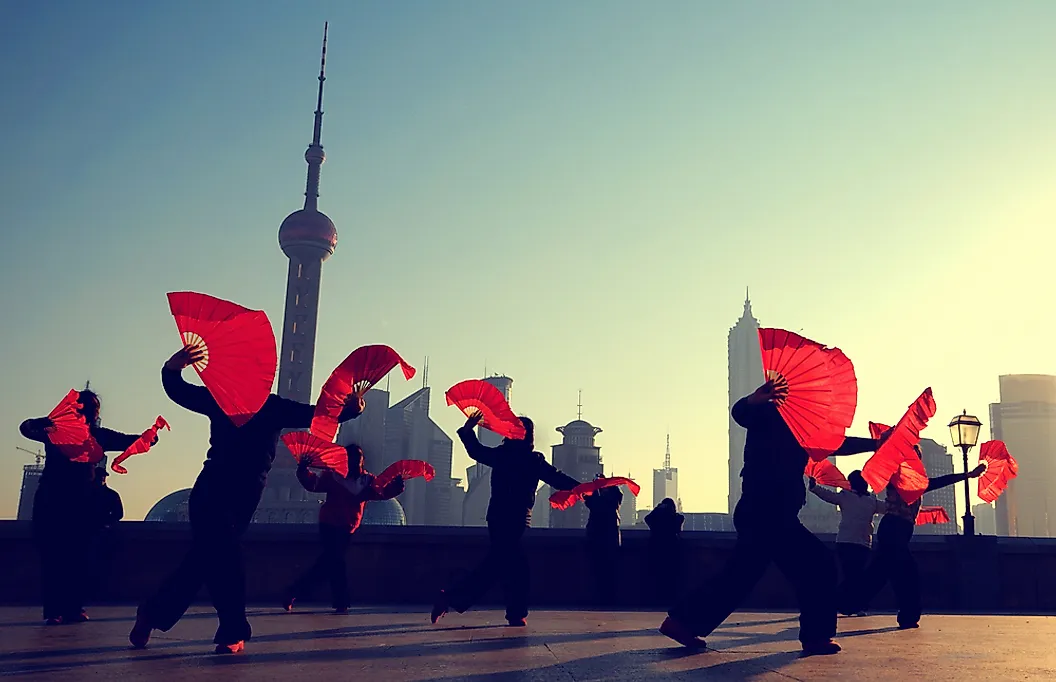
perspective. “A significant characteristic of Chinese culture is its social
nature as opposed to western culture which is hugely individualistic” (World
Atlas, n.d.). This very statement ties in perfectly with the definition of
“wen”. Chinese literature relates back to the definition of Chinese culture in
general.

References
Longxi, Z. (1996). What is wen
and why is it made so terribly strange? College Literature, 23(1), 15.
Puchner,
M. (2013). The Norton anthology of world literature: Vol 1. New York: W.W.
Norton & Company.
World
Atlas. (n.d.). Chinese culture and traditions. Retrieved on April 11,
2021 from https://www.worldatlas.com/r/w960-q80/upload/c7/3f/73/shutterstock-226608301.jpg
Comments
Post a Comment